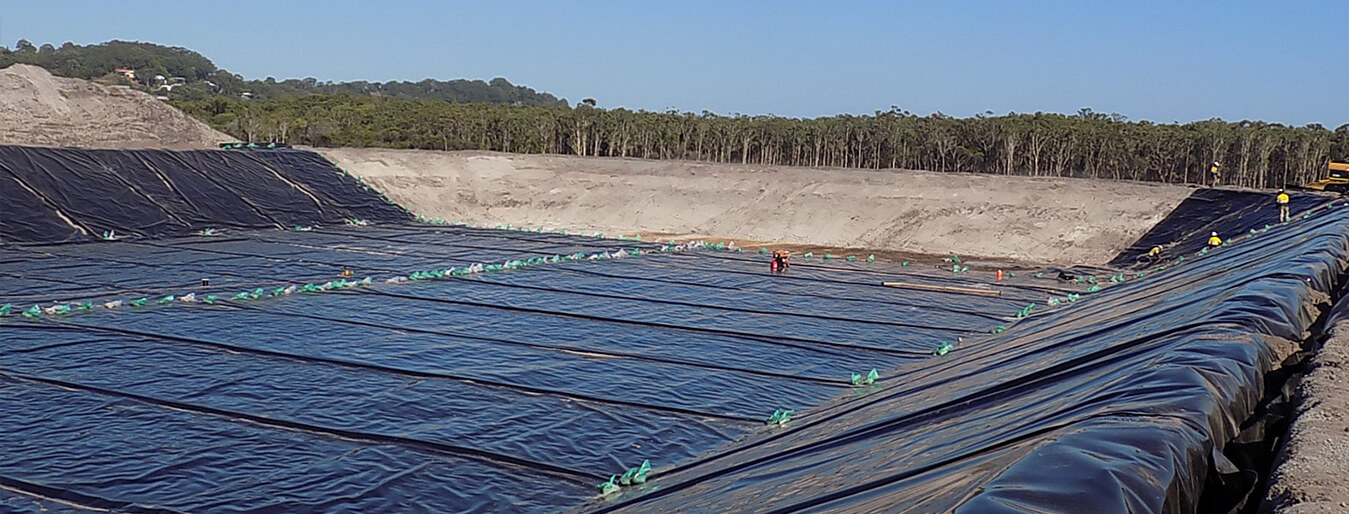
Molasses Storage, doesn’t get talked about much compared to other industrial stuff, but it’s actually a big deal across food processing, animal feed, ethanol production, and fermentation work. Given how much it’s used, getting the storage right matters way more than people realize. It’s not just about keeping the product from going bad, it’s about keeping the people around it safe too, protecting the equipment, and not causing problems for the surrounding area. Get this wrong and you’re not just looking at ruined products, you’re looking at accidents, contamination, and expensive damage to your storage setup. Do it right from the start and you avoid all of that, plus your storage systems just last longer.
Bad storage conditions let contamination in, mess with consistency, and increase the chances of spoilage. Store it right and molasses stays usable and consistent, store it wrong and it degrades way faster than it should.
This isn’t just about protecting the product, it’s about the people actually handling it. Safe handling, preventing accidents, keeping workers protected, all of this needs to be baked into how a facility runs its day-to-day storage operations.
Whatever tank you’re using needs to actually hold up against molasses over the long run. Corrosion-resistant materials are non-negotiable, and if it’s meant for food or feed use, you need food-grade coatings too. Bottom line, the material’s got to genuinely work with molasses, not just be whatever’s cheapest or easiest to get.
A tank that’s designed properly won’t leak, is sized right for how much you’re storing, and lets you actually get in there for inspections and maintenance without a hassle. One thing people skip way too often is thinking about structural load and the foundation underneath. Molasses is heavy, a lot heavier than water for the same volume, and putting a tank on a weak foundation is a genuine structural risk. This isn’t theoretical either, there’s a real history of tank failures involving molasses causing serious damage, so the foundation deserves just as much thought as the tank itself.
Molasses can ferment over time, especially when it’s warm, and that fermentation kicks off gas, mostly carbon dioxide. In a sealed tank, that gas can build up without anyone even noticing until it’s actually a problem. This is one of those risks that gets overlooked a lot, and it’s exactly why proper ventilation and keeping an eye on things matters so much.
Nobody really thinks of molasses as a fire risk, and fair enough, it’s a thick liquid. But depending on the setup, dried residue or dust from processing can actually create a combustible hazard in certain facilities. Don’t just assume this isn’t a concern, it deserves real attention in any safety plan.
Keeping the temperature in the right zone stops molasses from getting too thick, keeps it flowing through pumps properly, and slows down quality loss. Go too cold and it’s a struggle to move through pipes, go too warm and you’re speeding up fermentation and degradation.
Solid ventilation cuts down on moisture buildup, keeps things running safer overall, and stops condensation from forming inside the storage system. It also ties back to that fermentation gas problem, good airflow helps keep gas from building up before it turns into a real hazard.
Temperature shifts across seasons put different kinds of stress on tanks and change how the molasses behaves inside them. Summer heat can speed up thickening and fermentation risk, winter cold makes it harder to pump. Whatever monitoring you’re doing should shift along with the seasons instead of staying the same all year.
Sticking to a regular cleaning schedule, clearing out residue and sediment, and keeping proper hygiene standards all help keep the product contamination-free while it’s sitting in storage.
Tanks need a proper seal to keep dust, insects, and water out. Any gap in that seal is basically an open door for something unwanted to get in.
Regular checks should look for corrosion, keep an eye out for leaks, and go over the valves and fittings closely. Catch the small stuff early and you avoid it turning into something much worse.
Keeping pumps and pipelines in good shape stops blockages, keeps product moving smoothly, and lets you catch wear and tear before it actually fails on you.
If anyone ever needs to physically climb into a molasses tank to clean it or check something, that’s not routine maintenance anymore, that’s a high-risk situation and needs to be treated that way. Test the gas levels before anyone goes in, make sure there’s proper ventilation, get the right entry permits sorted, and have someone standing by outside. Given the fermentation gas risk we already talked about, this isn’t a step anyone should be rushing or skipping.
Staff need real training, not just a quick rundown, on how to handle things safely, run equipment properly, and respond when something goes wrong. And emergency response training shouldn’t be some generic checklist either, it needs to actually cover what’s relevant to molasses storage specifically, spill response, what to do if someone’s exposed to gas, and fire safety for that particular facility.
Gloves, safety footwear, eye protection, protective clothing where it’s needed, all of this cuts down the risk of someone getting hurt or exposed during handling or maintenance.
Bundling or containment walls around tanks exist for good reason, they stop a spill or overflow from spreading through the facility or getting into the environment. Every molasses storage setup should have this as a basic safeguard, not an afterthought.
Depending on where you’re operating and what the molasses is actually used for, there are usually specific safety regulations, environmental rules around spill prevention, and food safety standards if it’s food-grade. Staying compliant isn’t just paperwork for the sake of it, it’s genuinely part of running things safely.
Not overfilling tanks and keeping them within safe capacity sounds obvious, but it’s a simple thing that needs checking daily.
Keep proper logs, maintenance records, temperature checks, inspection schedules, all of it. It matters for accountability and for tracking things over the long haul. Worth keeping Safety Data Sheets on hand too for whatever molasses you’re storing, that’s just standard practice for this kind of operation.
A handful of mistakes cause most of the headaches facilities run into. Skipping routine maintenance until something actually breaks is a big one. Letting contamination sneak in through bad sealing or dirty tanks is another. Using tank materials that just aren’t right for molasses leads to corrosion and product problems down the line. Overfilling pushes the whole system past what it’s built to handle. And putting off repairs once you’ve already spotted a leak or corrosion just turns something small and fixable into something big and expensive. Avoid these and you’re most of the way to doing molasses storage properly.
With the temperature, ventilation, and tank maintenance all done right, molasses can sit in storage for months without losing much quality. Exactly how long depends on the conditions and the grade of molasses you’re dealing with.
Somewhere in a moderate range, warm enough that it stays pumpable, but not so warm that fermentation or degradation speeds up. The exact number shifts depending on the type and what it’s being used for.
Molasses on their own aren’t flammable, but dried residue or dust from processing in certain setups can create a combustible risk. Worth factoring into your safety planning rather than just assuming it’s not an issue.
Safe molasses storage really comes down to getting a bunch of things right together, the right tank, keeping it clean, managing temperature and ventilation properly, staying on top of inspections, and following handling procedures that actually account for what molasses specifically brings to the table. This is where experts like GDT Lining come into the picture. Get all this right and you’re protecting product quality, keeping things running smoothly, and saving yourself from maintenance costs that pile up from neglect. If your facility deals with molasses, it’s worth putting the money into a properly designed storage system and staying ahead of maintenance, instead of waiting for something to go wrong first.
Copy Right 2018
Powered By : Onqanet technologies