Most business owners don’t think twice about how they store fuel, chemicals, or wastewater on site. Not until an inspector shows up. Or worse, until something actually spills. That’s usually the moment someone finally asks the question, are containment liners actually required by law, or is this just one of those “nice to have” things everyone talks about but nobody enforces?
If your business stores anything that could hurt soil, groundwater, or nearby waterways, this question matters a lot more than most people realise. Containment liners aren’t optional extra in Australia. They’re tied straight into environmental regulations, workplace safety laws, and a bunch of standards that basically every site handling liquids has to follow, whether they know it or not. So let’s actually break this down. What’s required, why it matters, and what happens if you decide to skip it.
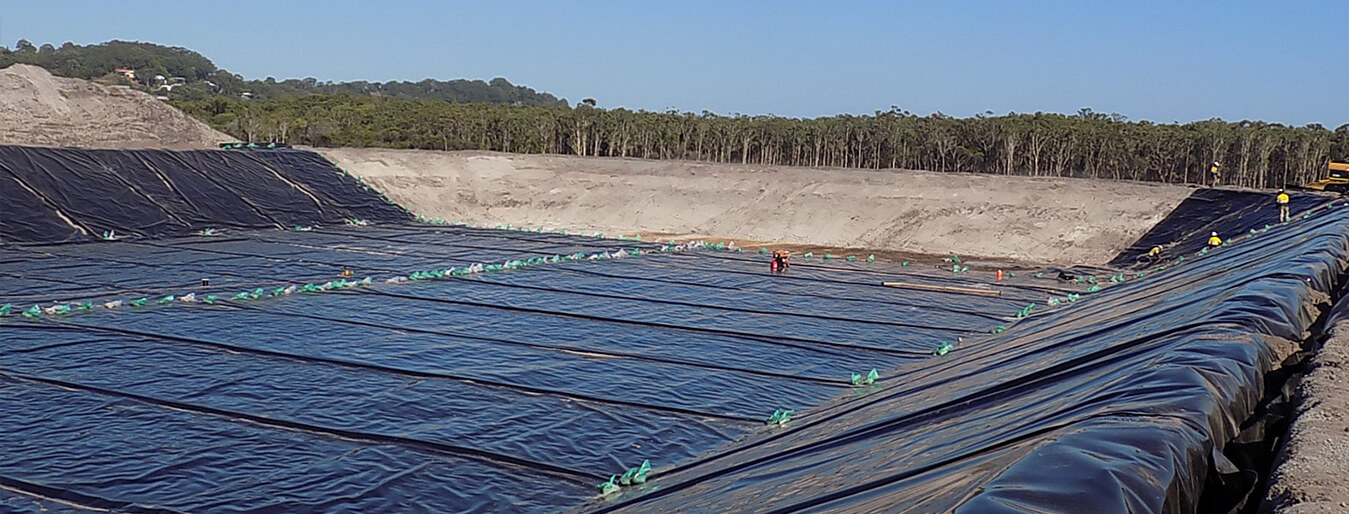
Containment liners are basically barriers, usually made from HDPE, PVC, or some other tough synthetic material, and their whole job is to stop liquids from soaking into the ground or making their way into waterways. Picture them as a safety net sitting underneath tanks, ponds, bunds, or storage areas. If something leaks, or a container fails, the liner is what catches it before it turns into a full blown environmental mess.
You’ll find these things used everywhere across Australian industries. Mining sites use them, farms use them, fuel depots rely on them, wastewater treatment plants can’t really function without them, and chemical storage facilities treat them as standard practice. Honestly, wherever there’s a chance of liquid escaping and doing damage, containment liners are probably already in the picture, or they should be.
Here’s the short version, yes, in most cases where you’re dealing with hazardous or polluting liquids. Now here’s the longer version, because it’s never quite that simple, it depends on which state you’re in, what industry you’re operating in, and exactly what you’re storing on site.
Australia doesn’t have one neat little law sitting somewhere that says “every business must install containment liners.” That would honestly make life easier, but it’s not how it works. Instead, the requirements come from a handful of different sources stitched together. Work Health and Safety regulations, for one, actually require workplaces to have a spill containment system ready to go if there’s any risk of a hazardous chemical leaking or spilling. That’s not a friendly suggestion. That’s a legal obligation, and businesses have been fined for ignoring it.
On top of that, each state’s EPA, whether that’s EPA Victoria, EPA NSW, or EPA South Australia, publishes its own set of guidelines around bunding and secondary containment. The fine print shifts a bit depending on which state you’re in, but the core expectation stays pretty much the same everywhere you look. If your site stores liquids that could pollute soil, stormwater, or waterways, you need proper containment liners, or something that does the same job, sitting underneath that risk.
Okay, here’s something that catches a lot of people off guard. Just having containment liners isn’t enough on its own, they actually need to hold enough liquid to matter. Most Australian guidelines work off what’s called the 110% rule. Basically, your whole containment setup, liner and all, needs to be able to hold at least 110% of the volume of your largest container on site. Or 25% of everything you’ve got stored, whichever number ends up bigger.
And some states take it even further than that. South Australia, for instance, asks for 120% capacity in certain situations. So if you’ve been assuming your liner just needs to loosely cover the tank and call it a day, that’s not going to fly if an inspector actually runs the numbers on your setup.
If you’re serious about staying compliant, a handful of standards keep popping up over and over again, no matter who you talk to.
AS1940 covers flammable and combustible liquids, and honestly it’s probably the most referenced standard when people talk about bunding and containment liners. Then there’s AS3780, which deals with corrosive substances, and AS4332, which covers gases in cylinders. Depending on what your business actually handles day to day, one of these, sometimes more than one, is going to shape exactly how your containment system needs to be built.
Nobody’s expecting business owners to have these standards memorised word for word. That’s not realistic. But regulators do expect your containment liners and bunding to actually reflect what these standards call for. In practice, that means the material needs to resist whatever it’s holding, stormwater shouldn’t be able to sneak in and cause an overflow, and the whole system needs to hold up structurally over time, not just look fine on installation day.
This is where it stops being theoretical for a lot of businesses. Skipping proper containment isn’t just some box you forgot to tick. It comes with real consequences, and they add up fast.
Under Work Health and Safety regulations, businesses have been fined tens of thousands of dollars for not having adequate spill containment in place. And that’s before you even get to the cost of cleaning up an actual spill. There are real cases across Australia where weak bunding and poor containment led to chemicals reaching waterways, and the fallout wasn’t just financial, it hit reputations hard too.
Then there’s the practical side of things. Cleaning contaminated soil or groundwater takes time, money, and usually a team of specialists you didn’t budget for. Put simply, spending on a proper containment liner now is almost always cheaper than dealing with the mess a leak leaves behind later.
Not really, no. What you need comes down to a few things, mainly what liquid you’re storing, how much of it you’ve got, and what specific risks exist at your site.
A site holding large volumes of fuel is obviously going to need something heavier duty and more chemically resistant than a smaller setup dealing with general wastewater. And if your site sits near a waterway or gets hit with heavy rainfall regularly, that changes things too, since stormwater sneaking into a containment area can cause an overflow and basically undo the whole point of having a liner in the first place.
This is exactly why regulators tend to push for a site-specific risk assessment instead of some generic one-size-fits-all solution. It’s not really about ticking a compliance box. It’s about matching your containment liners to the actual risks sitting on your property.
Staying compliant sounds intimidating, but it’s really not that complicated once you know what’s expected of you. Start simple, figure out exactly what liquids you’re storing and how much of each, because that’s what determines which standards even apply to your site.
From there, make sure your containment liners are sized properly using that 110% rule as your baseline. Use materials that can genuinely handle what you’re storing, not just whatever was cheapest at the time. And get into the habit of inspecting things regularly for wear, cracks, or any early signs of damage. Regulators say it again and again, a liner that’s installed once and then forgotten about is almost as risky as having no liner at all.
It’s also worth keeping basic records of your inspections and maintenance work. If a WorkSafe inspector or EPA officer ever turns up at your site, being able to show a documented history of checks makes a huge difference in how seriously they take your compliance efforts.
So, back to the original question, are containment liners actually required by environmental regulations in Australia? In most cases involving hazardous or polluting liquids, yes, they are. Sometimes that requirement comes directly from EPA guidelines, other times it’s baked into Work Health and Safety obligations instead. The details shift a bit from state to state, sure, but the core expectation stays consistent no matter where your business operates. If there’s any real risk of a spill reaching soil, stormwater, or waterways, proper containment liners simply aren’t optional anymore.
Getting this right protects your business from fines, protects the environment from real damage, and honestly, it’s just smart business sense at the end of the day. If you’re not completely sure your current setup actually meets the mark, getting a proper site assessment done now is a lot cheaper than finding out the hard way later. That’s exactly where a team like GDT Lining comes in, helping businesses get their containment liners sized, built, and installed properly the first time, so compliance isn’t something you’re scrambling to sort out after an inspector’s already on site.
Copy Right 2018
Powered By : Onqanet technologies