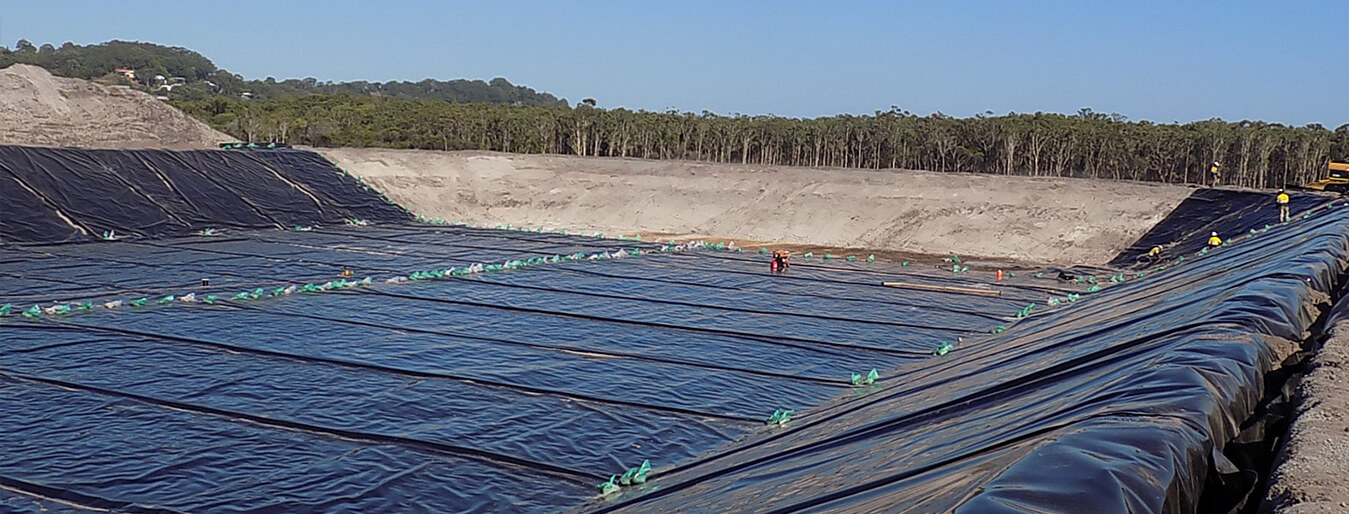
Ever wondered why two projects using the same HDPE liners end up with completely different lifespans? The answer usually comes down to one thing people overlook: thickness. Picking the wrong mil rating for your HDPE liners can mean early tears, leaks, or a total replacement job just a few years in. So how do you actually figure out which thickness fits your site?
Let’s break it down in plain terms so you don’t have to guess.
The term used by suppliers when referring to HDPE liners is that of thickness measured in either mils or millimeters. 1 mil represents one-thousandth of an inch; thus, a 40 mil liner is thicker and more durable than a 20 mil liner. Some companies provide specifications for their liners based on microns, making it even more confusing for the uninitiated.
The part that many tend to overlook is that thickness is not provided in one constant measurement, but rather in a range due to slight changes in manufacturing tolerance levels during production. In other words, “40 mil” might have slight differences in thickness depending on the specific areas.
Honestly, this is the thinnest option you’ll come across, and it shows. Fine for a small backyard pond or something you’re only using for a season or two. Just don’t expect it to hold up if there’s a stray rock or root under the surface. It punctures way easier than people think.
A bit tougher, a bit pricier, still not something you’d bet a big project on. Landscapers tend to reach for this one on slightly bigger ponds or water features where they want a little extra confidence without blowing the budget.
This is the one most homeowners and small business owners end up picking, and honestly, it makes sense. It’s thick enough to shrug off everyday wear and tear but doesn’t cost a fortune. If you’re not sure what you need, this is usually a safe starting point.
Now we’re talking real containment work. Think industrial ponds, fish farms, bigger reservoirs, anything that’s under constant pressure or holding a serious volume of liquid. This thickness earns its keep here.
The big one. Landfills, mining sites, large industrial setups, places where a liner failure isn’t just inconvenient, it’s a genuine problem. This is built to last decades, and the price tag reflects that.
A koi pond and a landfill cell are not the same job, so don’t treat them like they are. Figure out what your HDPE liners actually need to do before you start comparing mil ratings. Thicker isn’t automatically the smarter choice.
Ground that’s rocky, uneven, or full of debris will tear through a thin liner faster than you’d expect. If your site isn’t smooth and clean, go thicker. It’s cheap insurance against a bad install.
There’s a big difference between storing plain wastewater and storing something chemically aggressive. Certain contents break liners down faster over time, and that alone can push you toward a thicker option even on a small site.
Sun exposure is brutal on liners left out in the open for years, so you’ll want extra thickness and built-in UV stabilizers in that case. Buried liners dodge the sun problem but still deal with shifting soil and temperature changes underground.
Ask yourself how long this actually needs to last. A quick, temporary setup doesn’t need premium 80 mil material. A permanent installation absolutely does. Don’t overpay for durability you’ll never use, and don’t underpay for durability you’ll desperately need.
Liners left exposed deal with foot traffic, weather, even curious wildlife poking around. Buried liners get some protection from the soil sitting on top of them, but they still need enough thickness to survive the burial process without tearing.
Most home and small commercial ponds are perfectly happy with 30 to 40 mil. Once you’re dealing with a larger reservoir holding serious water volume, bumping up to 60 mil just makes sense for peace of mind.
This is one area where you really can’t cut corners. Most regulations call for 60 mil at minimum, and a lot of landfill projects go straight to 80 mil. The risk of containment failure here is just too high to gamble on.
Between harsh chemicals and constant heavy machinery traffic, mining sites chew through weak liners fast. That’s why 60 to 80 mil is basically the standard here. Go thinner and you’re asking for an early failure.
Fish farms and irrigation setups typically land somewhere around 30 to 45 mil, but it really depends on how much water you’re holding and how long the setup needs to survive.
Cheaper, easier to install, and totally fine for short-term or low-risk jobs. Just don’t ask it to survive rough terrain or years of heavy use, because that’s not what it’s built for.
You get better puncture resistance, a longer lifespan, and way more resilience against chemicals or sun exposure. The catch is a higher price tag, and the material can be a bit tougher to work with during installation because it’s stiffer.
| Thickness | Best For | Durability | Cost Tier |
| 20 mil | Temporary projects | Low | Budget |
| 30 mil | Small ponds | Moderate | Affordable |
| 40 mil | Residential Commercial | Good | Mid-range |
| 60 mil | Industrial Aquaculture | High | Higher |
| 80 mil | Landfills / Mining | Very High | Premium |
Thicker material costs more per square foot, that part’s not exactly a shock. What people forget to factor in is the math down the road. A cheap 20 mil liner that fails in three years and needs a full replacement ends up costing you more than if you’d just gone with a 40 mil liner that lasts fifteen. Think about labor, downtime, and the mess of redoing a site before you let the upfront price make the decision for you.
Some applications just come with legal minimums attached, no way around it. Landfill liners are a good example. They usually fall under environmental regulations that set a minimum thickness, and your budget doesn’t get a say in that. ASTM standards also come into play here, covering how tensile strength, puncture resistance, and seam integrity get tested. Look into your local regulatory requirements before you settle on a thickness, because compliance should be setting your floor, not your wallet.
People assume thicker always means better, but that’s just not true half the time. A mid-range thickness often does the job just fine and saves you money in the process. Some folks skip subgrade prep entirely, which ends up ruining even the toughest liner you could buy. Others skip site-specific testing altogether and just copy whatever thickness worked on a past project, completely ignoring differences in soil, chemical exposure, or climate. And installation stress from welding and seaming gets brushed aside way too often, even though it has a real impact on how the liner performs over the years.
Start simple. Ask what the liner needs to hold, how long it needs to last, and what the ground underneath actually looks like. Then check that against any regulatory minimums tied to your project. If chemicals, heavy machinery, or long-term exposure are part of the picture, lean toward the thicker side. And if there’s real financial or environmental risk on the line, don’t just take a blog post’s word for it, talk to a supplier or engineer who can look at your specific site.
Most general-purpose projects land somewhere between 30 and 40 mil, though it really depends on what you’re using it for.
For most home and small commercial ponds, yeah, it holds up fine. Bigger or deeper reservoirs might need something with more muscle.
Depending on thickness and site conditions, you’re usually looking at anywhere from 10 to 30 plus years.
It can be. Double layering shows up sometimes in high-risk containment jobs for extra protection, though it does add cost and makes installation a bit more involved.
Most places require at least 60 mil, and a lot of landfill projects go with 80 mil just to be safe.
Final Thoughts
Choosing the right thickness for your HDPE liners really comes down to matching the material to what your site actually needs instead of just guessing. Whatever you need, whether it is just for a small pond in the backyard or something industrial, getting the right thickness is going to save you both time and money later on. Talk to your liner supplier professionals like GDT Lining, about what exactly you are going to need for the job at hand.
Copy Right 2018
Powered By : Onqanet technologies